
Warwick District Council has awarded £25,860 in community grants since April, against £101,120 last year. Up to £20,000 each, first come, first served.
Warwick District Council has handed out £25,860 in community grants since the financial year began in April. In each of the four years before that, it awarded almost exactly £100,000.
There is no closing date. The council’s own 2026/27 rules say applications are taken all year. But the budget is limited, so bids are considered “on a first come first served basis until the budget has been spent”. Clubs that wait are competing for a smaller pot.
The scheme is the Rural and Urban Capital Improvement Scheme, known as RUCIS. It pays for buildings and equipment, not running costs, and it is open to not-for-profit groups anywhere in the district.
What Leek Wootton got
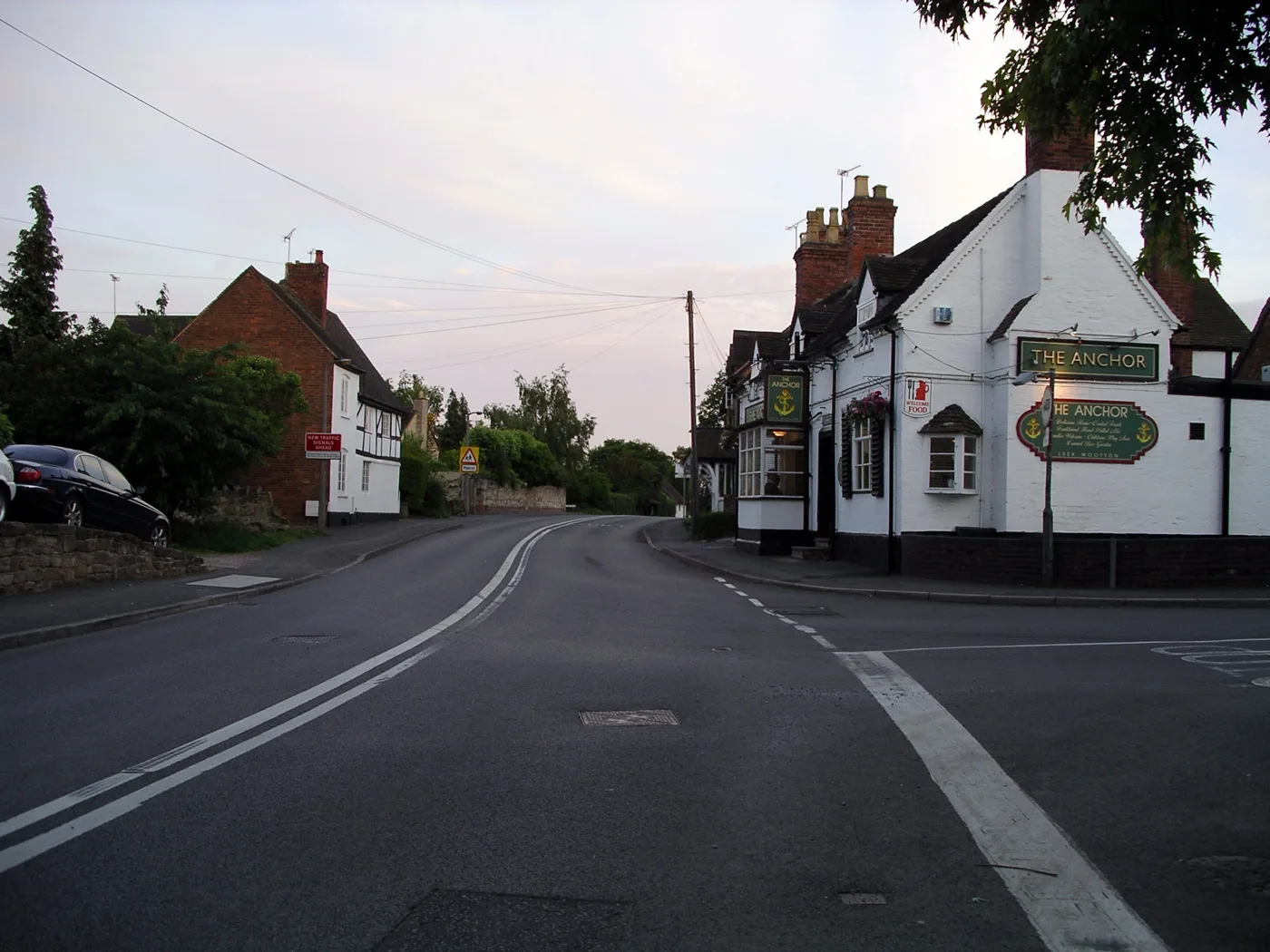
The council published an example on 28 August. Leek Wootton Cricket Club was awarded £16,825 in September 2025 to replace its cricket nets. Leek Wootton is a village between Warwick and Kenilworth, a couple of miles from each town.
The nets are now open and in use. Tony Howe, chairman of the club, said: “The new cricket nets are amazing, and so important for the future of our club. We could not have done this without a significant RUCIS grant from Warwick District Council. Thanks so much!”
Two awards have been made in the current financial year, according to the council’s recent awards page:
- Kenilworth Squash Club, £13,860 in July 2026, for new glass doors, a height-adjustable tin, viewing balconies and court repairs
- Shrewley Village Hall, £12,000 in June 2026, to refurbish the toilets and kitchen and build a new solid wall
How much has gone out each year
The council does not publish the size of the annual pot. Its own awards archive shows what was actually paid, and the total has barely moved in four years.
| Financial year | Awards | Total |
|---|---|---|
| 2022/23 | 7 | £99,643 |
| 2023/24 | 6 | £100,000 |
| 2024/25 | 9 | £99,596 |
| 2025/26 | 7 | £101,120 |
| 2026/27 so far | 2 | £25,860 |
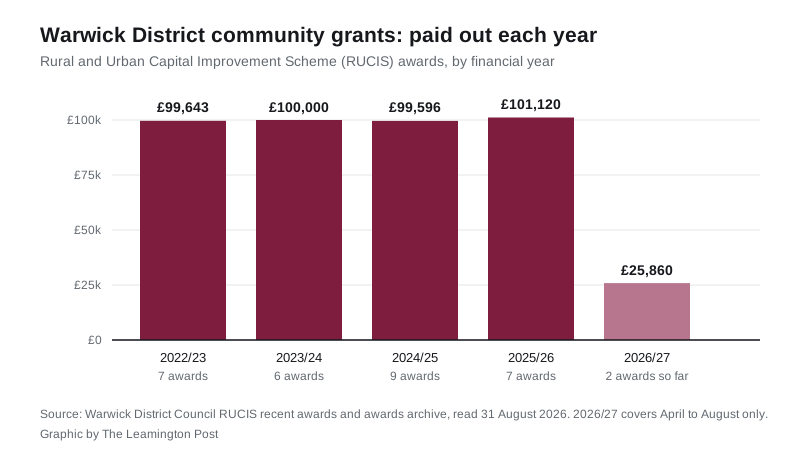
Five months into 2026/27, roughly a quarter of a typical year’s spending has been committed. That is not proof of how much is left, because the budget is set by the council rather than by past years. It does suggest the scheme is nowhere near exhausted.
What is on offer
Grants run from £1,000 to £20,000, and the share the council will pay depends on the size of the project:
- Small grant scheme, projects costing up to £10,000: up to 90% of the cost, to a maximum of £9,000
- Main grant scheme, projects costing more than £10,000: up to 60% of the cost, capped at £20,000
Those percentages only apply if the project meets the council’s “environmentally sensitive” aim. If it does not, they drop to 80% for small grants and 50% for main grants.
Eligible spending includes roof repairs and extensions, disabled access, resurfacing car parks and sports courts, new kitchens and toilets, playground equipment, solar panels, heat pumps, insulation and LED lighting.
Who cannot apply
The 2026/27 criteria rule out several kinds of applicant:
- schools and nurseries, on the grounds that their facilities mainly serve term-time users rather than the wider district
- churches, mosques and other religious buildings, where the work is for a building whose main function is religious activity
- groups leasing premises from another council, where the grant would improve that council’s building
- organisations holding unrestricted cash reserves worth more than 12 months of their own running costs
- organisations that support or oppose a political party
Gas boilers, incandescent lighting and 3G turf are also excluded, as projects the council considers bad for the climate.
The conditions that catch people out
Several rules in the criteria document are easy to miss and will sink an otherwise good bid:
- The project must be formally supported by the parish or town council, and that support should normally include a financial contribution.
- No money can be spent before the award is confirmed. A project that has already started cannot be funded.
- Three separate written quotations are needed for every part of the work.
- Grants are awarded to an organisation only once in a two-year period.
- Volunteer time does not count towards the group’s own share, and neither does fundraising it has not yet done. Only funds already held count.
- Leasehold premises need at least five years left on the lease.
- Grants must be used within 12 months of the offer, or they may be withdrawn.
- The council can claw back all or part of a grant if the asset is sold or substantially changes use within five years.
What it means for you
This is money that is available now and is not being fully claimed. It is open to sports clubs, village halls, scout groups and community centres in Leamington, Warwick, Kenilworth, Whitnash and the district’s villages.
The practical order of work is:
- Talk to your parish or town council first. You need its backing, and usually its cash.
- Get three written quotes for every part of the job.
- Contact the council before you submit anything. The criteria document invites a pre-application discussion to check eligibility, on 01926 456204 or by email to jon.dawson@warwickdc.gov.uk.
- Send the completed form to the same email address.
Where more than one bid comes from a single parish, the parish or town council has to rank them in priority order. That makes an early conversation with the parish clerk worth more than a polished form.
Awards are recommended by the council’s grants manager and then decided by the head of finance and the resources portfolio holder. Applications are acknowledged within five working days.
The council funds this from its own budget, alongside the services covered by council tax in the district.
Have your say